Izal
The black-and-white cat, possessed of extravagant pearls and considerably more presence than good manners would permit.
Three novels. A house full of improbable warmth. And a growing suspicion that the people who tell the story are not necessarily the people who lived it.
Meet Phin, Izal and the people who arrive, stay, leave, return—or remain present long after they have gone. Explore the places and objects whose meanings alter as the trilogy unfolds.
South London. Bad decisions. Usually tea. Pick a marker on the map to investigate.

No wings. No harps. No reassuring organisational chart. There is an upstairs to the Birch Street universe, but exploring it means entering material from The Book of the Dead.
First-time visitor? Stay downstairs. Returning reader? The landlady of eternity is in, and she doesn't appear to be pleased with the paperwork. This section contains substantial Book III character and setting revelations.
A fictional, deliberately unofficial upstairs. Select a numbered marker or a file tab to inspect a location. This upstairs world is a fictional part of the trilogy.

Square shoulders, a perfectly proper neck, a splendid full-busted green velvet frock and a pillbox hat. Femininity with the authority of a magistrates' bench. She has a potato peeler and very little patience with cosmic administration.
Illustration: fictional concept artwork · text and labels are editable website content · no inference that the celestial rooms are laid out in this physical arrangement.
Even this upstairs guide isn't the ending. The story's decisive revelation is hidden one level further back. Opening it will disclose the emotional resolution of The Book of the Dead, including Grama's decision and what Phin has to do next.
Grama tells Phin that the missing page cannot be fetched from a heavenly filing cabinet. What matters is being truly seen and written into the record of other people's lives. He has to go back downstairs and give his mother that attention while there is still time.
Then Grama puts down her potato peeler, sets aside her great ring of keys and retires beyond a threshold that even God cannot follow. The keeper of everything experiences grief for the first time. There is no cheap reunion waiting at the end of this staircase.
The point of the upstairs map is not escape. It sends the reader back to No. 43, to unfinished conversations, the cup of tea, and the people who are still there.
Choose a detail to discover its place in the world.
The sunburst stained glass is one of Birch Street’s recurring signatures. It is both a welcoming detail and a marker of things returning in a different light.
These are narrative threads, not clues that promise a solved puzzle. Some are funny. Some acquire weight only later.
The black-and-white cat, possessed of extravagant pearls and considerably more presence than good manners would permit.
An ordinary domestic detail from Phin’s first days at the house, more affecting for being ordinary.
Lists, photographs, notes, fragments and the dangerous assumption that written records tell the whole story.
An almost empty calendar, bought late, painstakingly corrected for another year and never filled with all the plans it promised.
Follow the same emotional geography through affection, destabilising discovery and everything that remains.
Phin arrives at No. 43 eleven days after Ash leaves. New relationships, an extraordinary cat, dry humour and the uncertain prospect of beginning again.
After Thailand, a hospital envelope and inconsistencies in the record draw Phin into questions that change how he understands familiar events.
An unexpected call from a crematorium; possessions, grief, a notebook and the stubborn persistence of love in a world that refuses simple answers.
Character notes that introduce relationships without promising that any single viewpoint is definitive.
The trilogy’s emotional centre: observant, stubborn, frequently very funny, and struggling to make sense of what happens when ordinary kindness is reinterpreted.
Household royalty with wet black-and-white fur, extraordinary jewellery and an unmistakable stare. A character, never just a decorative symbol.
Two very different forms of closeness and rupture. Their histories unfold through actions, promises and the stories people tell afterwards.
Some meanings become clear only after the final volume. Explore one example if you are comfortable with thematic spoilers.
Three distinct covers; one connected literary sequence. Enter the trilogy through the books, people and changing story of No. 43.


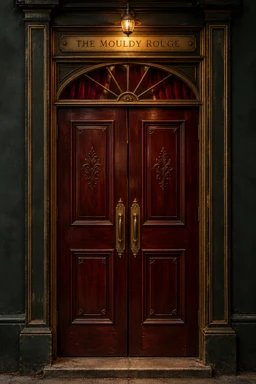
World guide is editorial preview content. The Door 43 rendering is a schematic illustration of the recurring fanlight and entrance—not a photograph of a physical property. Story material is intended to be spoiler-aware.